Maximizing Small Kitchens: Design Tricks That Make Space Work
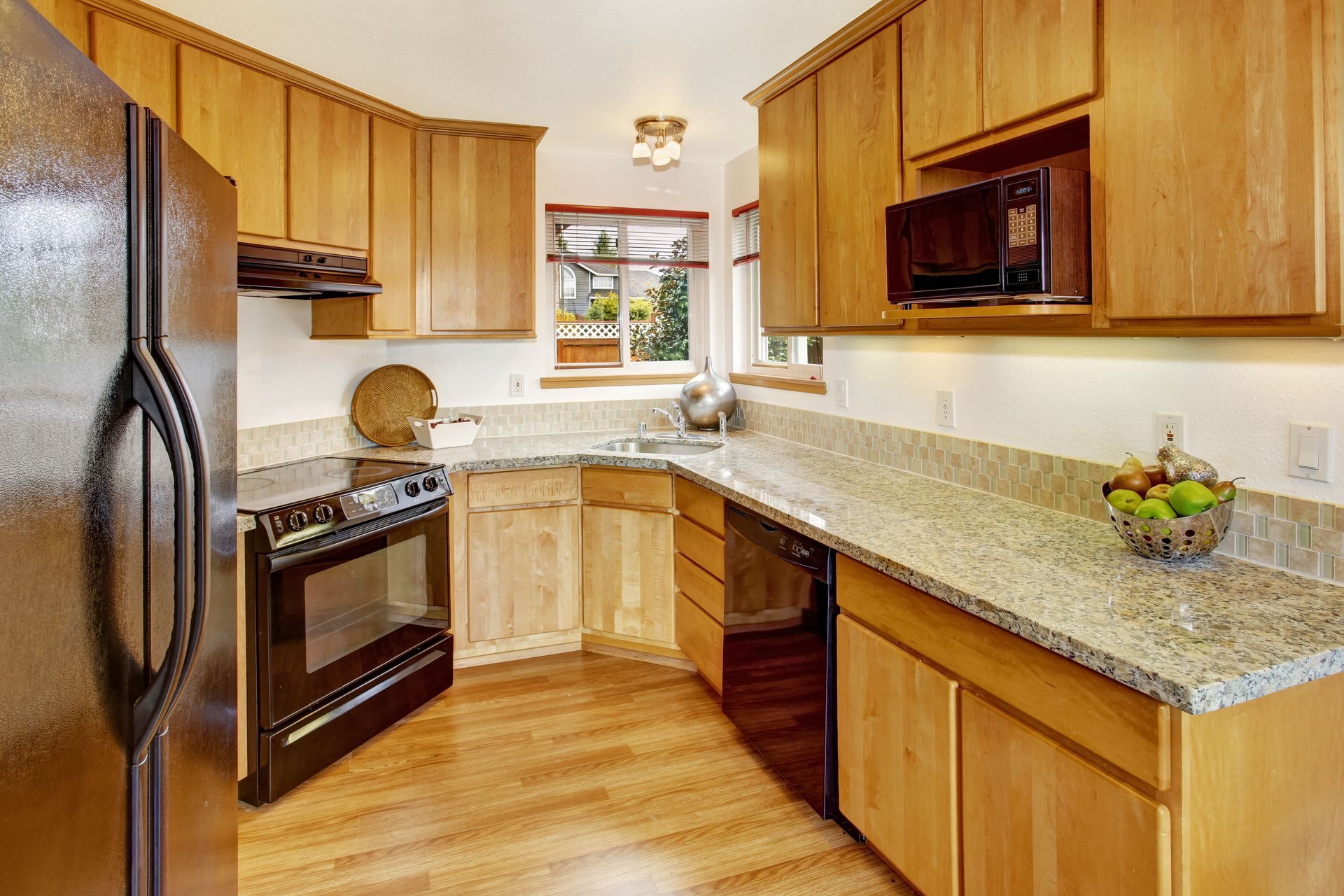
Small kitchens may come with limitations, but they also offer an opportunity to be thoughtful, intentional, and creative with design. When every square foot matters, smart decisions can transform a cramped kitchen into a space that feels efficient, inviting, and surprisingly spacious. Homeowners often assume that a small kitchen means sacrificing style or function, yet that's rarely the case. With the right strategies, even the most compact layout can support daily routines, entertaining, and long-term value. Approaching a small space with a clear plan helps align aesthetics with practicality, especially when kitchen remodeling becomes part of a broader home improvement goal.
Prioritizing Layout Efficiency Over Size
A well-planned layout matters more than square footage. In small kitchens, wasted steps and awkward corners quickly become daily frustrations. Focusing on efficiency allows the space to work harder without feeling crowded. The classic work triangle—connecting the sink, stove, and refrigerator—still applies, but it often needs adjustment in tighter footprints. Streamlined pathways, minimized obstructions, and thoughtful appliance placement keep movement fluid and intuitive.
In many cases, removing unnecessary barriers can make a noticeable difference. Partial walls, oversized islands, or bulky peninsulas may limit flow more than they add function. During kitchen remodeling, rethinking the layout often opens possibilities for better circulation and improved usability without increasing the kitchen's actual size.
Choosing Cabinetry That Works Vertically
Vertical space is often underused in small kitchens. Cabinets that extend to the ceiling draw the eye upward, creating the illusion of height while providing valuable storage. Upper cabinets designed for infrequently used items help reduce clutter on lower surfaces, which keeps the kitchen feeling open and organized.
Slim-profile cabinetry also plays a role. Shallow-depth cabinets or pull-out pantry units can fit into narrow gaps that would otherwise go unused. When planning kitchen remodeling projects, prioritizing vertical storage allows homeowners to maintain functionality while preserving visual balance in a compact room.
Selecting Appliances With Purpose and Proportion
Oversized appliances can overwhelm a small kitchen, both visually and physically. Choosing appliances that match the scale of the space helps maintain proportion and flow. Compact or counter-depth refrigerators, slim dishwashers, and combination microwave-oven units offer modern performance without dominating the room.
Integrated appliances that blend with cabinetry further reduce visual clutter. Panel-ready designs create a cohesive look that helps the kitchen feel less busy. Thoughtful appliance selection is one of the most impactful decisions in kitchen remodeling, especially when space constraints demand precision.
Using Light and Color to Open the Room
Light has a powerful effect on how a space is perceived. In small kitchens, lighter color palettes reflect light and make the room feel more expansive. Soft whites, warm neutrals, and muted pastels brighten the space without feeling sterile. Consistent color use across cabinetry, walls, and backsplashes minimizes visual breaks, which helps the kitchen feel continuous and open.
Natural light should be maximized whenever possible. Removing heavy window treatments, enlarging window openings, or adding glass cabinet fronts can enhance brightness. Strategic lighting design, including under-cabinet and recessed fixtures, also plays a major role in making compact kitchens feel comfortable and welcoming.
Integrating Smart Storage Solutions
Storage challenges are common in small kitchens, but innovative solutions can address them effectively. Pull-out shelves, corner carousels, and drawer organizers improve access and reduce wasted space. When every inch counts, customized storage options often outperform standard configurations.
Open shelving can also be useful when applied selectively. Displaying frequently used items keeps them within reach and reduces the need for bulky cabinets. During kitchen remodeling, balancing open and closed storage helps maintain order while preventing the space from feeling boxed in.
Selecting Surfaces That Enhance Continuity
Continuous surfaces visually expand a small kitchen. Using the same countertop material across all work areas eliminates visual breaks and creates a sense of flow. Waterfall edges or extended backsplashes further enhance this effect by guiding the eye smoothly across the room.
Reflective materials, such as polished stone or glossy tile, bounce light around the space. Even a subtle sheen can contribute to a brighter, more open feel. When planning kitchen remodeling details, surface selection should consider both durability and how materials interact with light and scale.
Designing Multi-Functional Elements
In compact kitchens, flexibility is key. Multi-functional features allow one area to serve several purposes without overcrowding the room. A narrow island can double as prep space and casual seating, while a fold-down table offers dining options without permanent bulk.
Built-in benches, pull-out work surfaces, or hidden charging stations add convenience without adding clutter. Incorporating adaptable elements during kitchen remodeling allows the kitchen to evolve with changing needs while staying efficient.
Keeping Visual Clutter to a Minimum
Visual clutter can make a small kitchen feel chaotic, even when it's technically organized. Clean lines, simple hardware, and minimal ornamentation help maintain a calm atmosphere. Handle-less cabinets or slim pulls reduce visual noise and support a streamlined aesthetic.
Consistent finishes across fixtures and hardware also contribute to cohesion. Limiting the number of contrasting materials prevents the eye from jumping around the room. A thoughtful approach to kitchen remodeling emphasizes simplicity, allowing the design to feel intentional rather than crowded.
Enhancing Sightlines Through Open Design
Clear sightlines can make a small kitchen feel larger without moving a single wall. When the eye can travel easily from one end of the space to the other, the room feels less confined and more comfortable to use. Open design choices, such as glass-front cabinets, open shelving near windows, or pass-through openings to adjacent rooms, help reduce visual barriers. These elements allow light and perspective to extend beyond the kitchen itself.
Lower-profile furniture and streamlined fixtures also contribute to openness. Avoiding oversized range hoods or bulky upper cabinets in key areas keeps the space from feeling top-heavy. Even subtle adjustments, like aligning cabinet heights or keeping backsplash patterns simple, can improve visual flow. By focusing on what the eye sees first and last, homeowners can create a kitchen that feels connected, breathable, and far more spacious than its footprint suggests.
Incorporating Design Choices That Add Value
Small kitchens benefit from design decisions that balance practicality with long-term return. Well-executed updates not only improve daily life but also contribute to resale appeal. According to This Old House, a minor kitchen remodeling project regains 96.1% of its cost through the total home value increase, making strategic updates a smart investment.
Buyers often appreciate efficient layouts, updated finishes, and modern storage solutions, regardless of kitchen size. Focusing on timeless design choices helps the space remain attractive and functional for years to come.
Maximizing a small kitchen is less about changing its size and more about changing how it works. Efficient layouts, vertical storage, well-scaled appliances, and thoughtful material choices can dramatically improve both function and comfort. When approached with intention, a compact kitchen can feel just as capable and inviting as a larger one. Smart planning, attention to detail, and a clear understanding of daily needs allow small kitchens to shine. With the right strategies, kitchen remodeling becomes an opportunity to create a space that supports everyday life while adding lasting value to the home.
If you're ready to make your small kitchen work smarter, we're here to help. At CMP Construction, we take a thoughtful, design-driven approach to kitchen remodeling that focuses on efficiency, comfort, and long-term value. Let's talk about how we can transform your kitchen into a space that truly works for you.






Share On: