What to Include in Your Next Bathroom Remodel
Your bathroom is one of the most essential parts of your home, making it a crucial space to update and remodel. Whether you're aiming for improved functionality, increased home value, or simply a refreshed look, knowing the key elements to include in your bathroom remodel project can ensure success. In this article, we will explore critical features and considerations for your next bathroom remodel.
Design and Layout
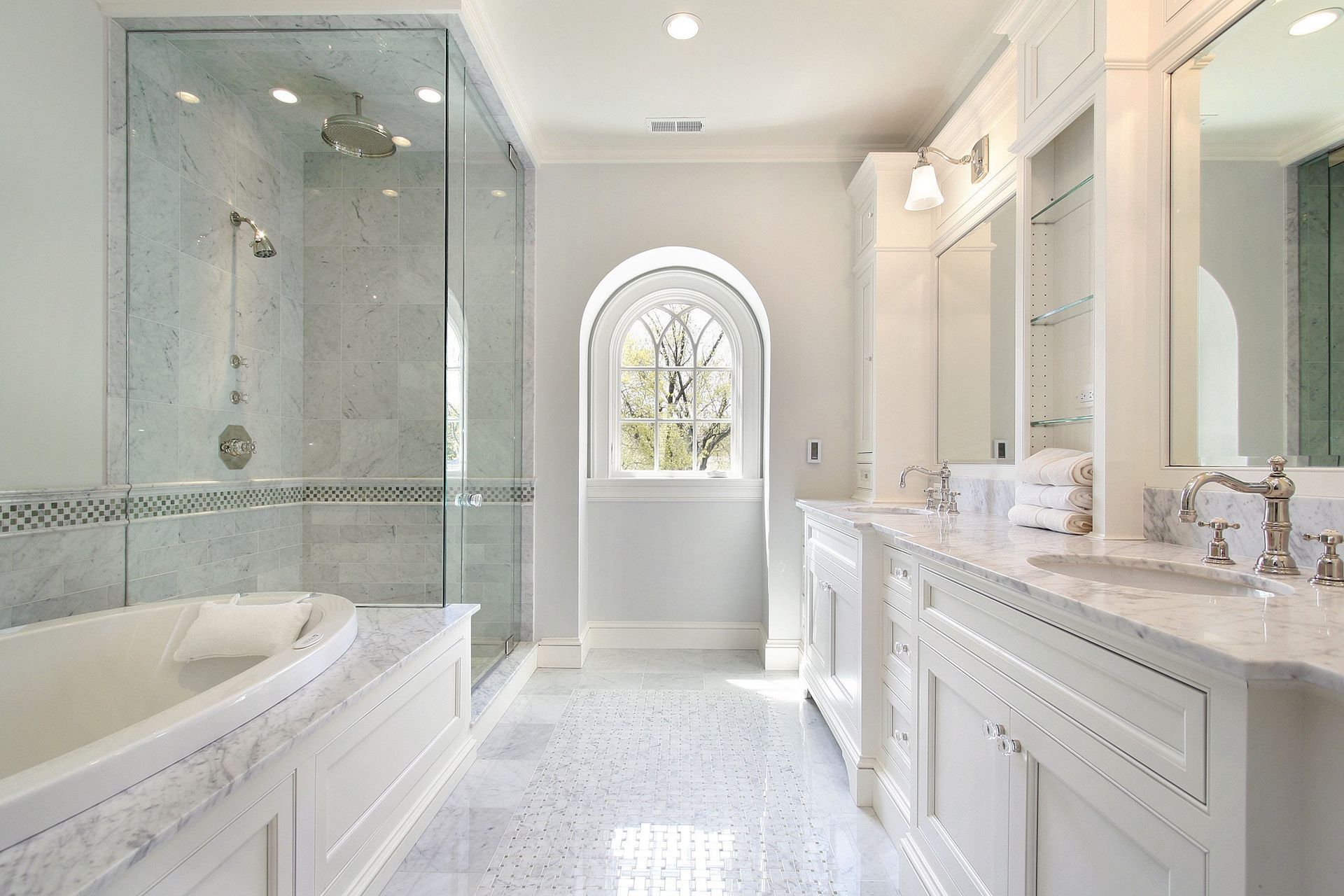
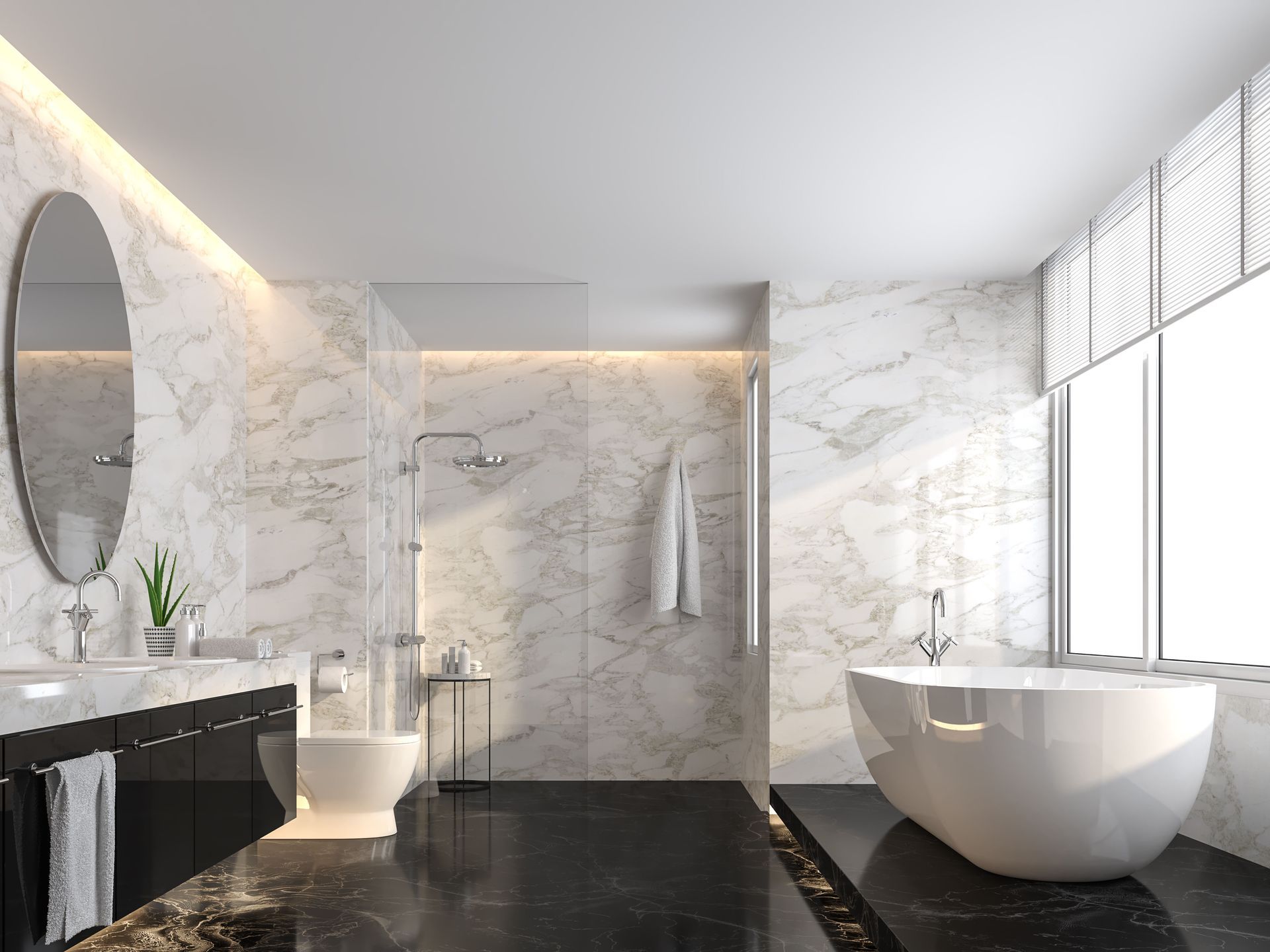
Optimizing your bathroom's layout is crucial to ensure all elements are efficiently and effectively arranged. Space planning involves assessing the dimensions of your bathroom and determining the best placement of essential fixtures such as the shower, toilet, and vanity. For smaller bathrooms, wall-mounted vanities and toilets can create an impression of space by freeing up floor area. On the other hand, larger bathrooms may benefit from the inclusion of built-in features like a double sink or a separate shower and bathtub area. Successful space planning combines practicality with style, ensuring the design meets both your personal preferences and structural requirements.
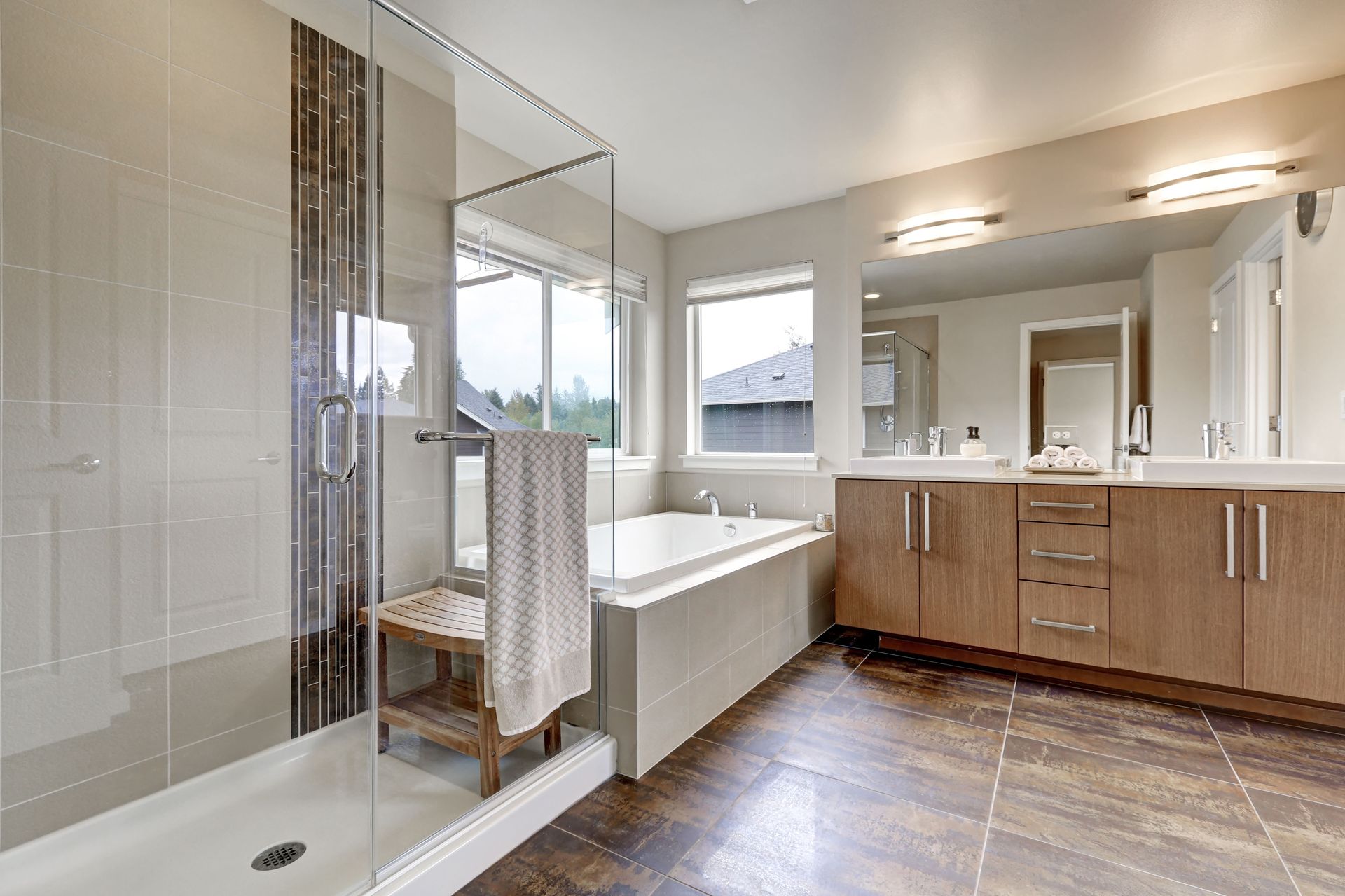
Incorporating accessible features into your bathroom remodel ensures it caters to everyone, including those with mobility challenges. This involves the use of universal design principles that focus on creating spaces accessible to all, regardless of age or ability. Consider installing grab bars near showers and toilets, as well as selecting fixtures with lever handles rather than knobs for easier use. Walk-in showers equipped with bench seating and handheld shower heads are both functional and stylish, providing ease of access. Universal design not only enhances usability but can also potentially increase the value of your home by appealing to a wider range of buyers.
Effective storage solutions are essential to maintain an organized and clutter-free bathroom. This can include a combination of built-in cabinetry, shelving, and clever storage solutions like recessed shower niches. Installing vanity units with drawers rather than doors can often make access to toiletries and supplies more manageable. Consider utilizing vertical space with tall cabinets or open shelving to maximize storage potential. The goal is to create ample storage that integrates seamlessly with the overall design aesthetic, balancing practicality with style.
Plumbing and Fixtures
The choice of toilet can have a big impact on both the design and functionality of your bathroom. Wall-mounted toilets, for instance, can create the illusion of space, as they have a smaller footprint compared to traditional floor-mounted models. Dual-flush toilets are a popular environmentally-friendly option, providing the flexibility to use different water volumes for different waste types. Additionally, toilets with built-in bidets are gaining popularity for their added hygiene benefits. Considering your bathroom's plumbing layout, assess which style best suits your needs and design preferences.
When it comes to showers and tubs, size and function are crucial considerations. According to Axios, 78% of homeowners who removed a bathtub during renovations chose to enlarge the shower space, emphasizing a trend towards spacious, spa-like bathrooms. Larger showers with multiple showerhead options or body jets deliver a luxurious experience and offer greater accessibility. Conversely, if space permits, incorporating a freestanding bathtub can act as a striking focal point. For those who appreciate soaking after a long day, it might be worthwhile to prioritize the bathtub over a larger shower.
Faucets and shower heads come in a variety of designs and finishes that can enhance both the functionality and style of your bathroom. From high-arc faucets for deep sinks to eco-friendly aerated showerheads, these fixtures play a crucial role in daily routines. The finish of the fixtures, such as chrome, nickel, or brass, should complement the overall design aesthetic, whether you prefer contemporary or traditional styles. Consider water-saving features to minimize waste and reduce utility costs. Ultimately, selecting quality fixtures will ensure lasting performance and visual appeal.
Incorporating water conservation features in your bathroom remodel helps to save resources and reduce water bills. Low-flow fixtures, including showerheads and faucets, can significantly decrease water usage without compromising performance. Dual-flush toilets are another effective innovation, enabling you to conserve water with every flush. Additionally, consider installing a greywater system to reuse water from sinks and showers for landscaping purposes. These eco-friendly choices not only contribute to environmental conservation but can enhance your home's appeal to future buyers with an emphasis on sustainability.
Lighting Choices
Effective ambient lighting ensures a uniformly lit space without harsh shadows, creating a welcoming atmosphere. Recessed lighting is a popular choice for bathrooms due to its ability to distribute light evenly across the room. Ceiling-mounted fixtures can add both light and visual interest, serving as a focal point depending on the design. For a softer ambiance, consider using frosted or diffused lenses on fixtures to scatter light evenly. Despite covering functional needs, ambient lighting should work in tandem with other types to create a comfortable and balanced interior atmosphere.
Task lighting focuses specifically on areas where precision is needed, such as the vanity or around mirrors. Ideally placed at eye level, wall-mounted sconces flanking a mirror prevent shadows on the face, proving advantageous for grooming and makeup applications. Adjustable or directional lighting offers flexibility, allowing users to direct light accurately where needed. Ensuring adequate task lighting can reduce eye strain, improving overall usability. A combination of ambient and task lighting provides the necessary illumination for various activities, complementing each other for total effectiveness.
A modern bathroom remodel can increasingly focus on energy-efficient lighting solutions to reduce environmental impact and energy consumption. LED lights, with their long lifespan and low energy use, are a worthy investment despite the initially higher cost. Compact fluorescent lamps (CFLs) provide another energy-efficient choice, emitting less heat to maintain a comfortable room temperature. Motion sensor lighting can enhance efficiency by eliminating waste when rooms are not in use. When planning your bathroom's lighting, prioritizing energy efficiency can contribute to lower utility bills and a reduced carbon footprint.
Flooring and Tile
Bathroom flooring must be durable, water-resistant, and able to withstand frequent cleaning. Materials like ceramic tile, porcelain, and natural stone offer both durability and resistance to water damage, making them popular choices. Vinyl flooring has also become a credible contender, mimicking the appearance of wood or stone while offering enhanced water resistance. It's essential to choose materials that complement the overall decor while also being practical for the bathroom environment. An informed choice can enhance both the functionality and aesthetics of your bathroom remodel.
Tile patterns and designs are another avenue through which your personal style can shine. Herringbone, chevron, or custom mosaic patterns can create a sense of artistry in a bathroom setting, accentuating walls, floors, or even ceilings. Subway tiles may offer a classic and timeless appeal, while larger format tiles can minimize grout lines and create a sense of a larger space. The strategic placement of decorative tiles can serve as a feature, introducing splashes of color or intricate designs to break the monotony. Flexibility in tile design ensures you're never short of options to design a space that's uniquely yours.
For an indulgent addition, consider radiant floor heating as part of your bathroom remodel. Heated flooring systems keep bathroom floors comfortably warm, especially beneficial during colder months, raising the luxury factor in your bathroom. Installation involves electric heating mats or water-based systems placed beneath the flooring materials, offering efficient and evenly distributed heat. While more expensive upfront, heated floors can improve energy efficiency when used judiciously. Additionally, the consistent warmth helps dry floors faster, reducing issues related to moisture buildup and condensation.
A bathroom remodel is a rewarding venture that can significantly enhance your home's comfort, functionality, and aesthetic appeal. By taking into account the essential elements discussed—from design and layout to fixtures and finishing touches—you can create a bathroom that not only meets your needs but also provides a luxurious sanctuary within your home. Planning carefully and considering your long-term requirements can help ensure that your investment delivers value and satisfaction for many years to come. If you're looking for a quality bathroom remodel, contact CMP Construction today.





Share On: